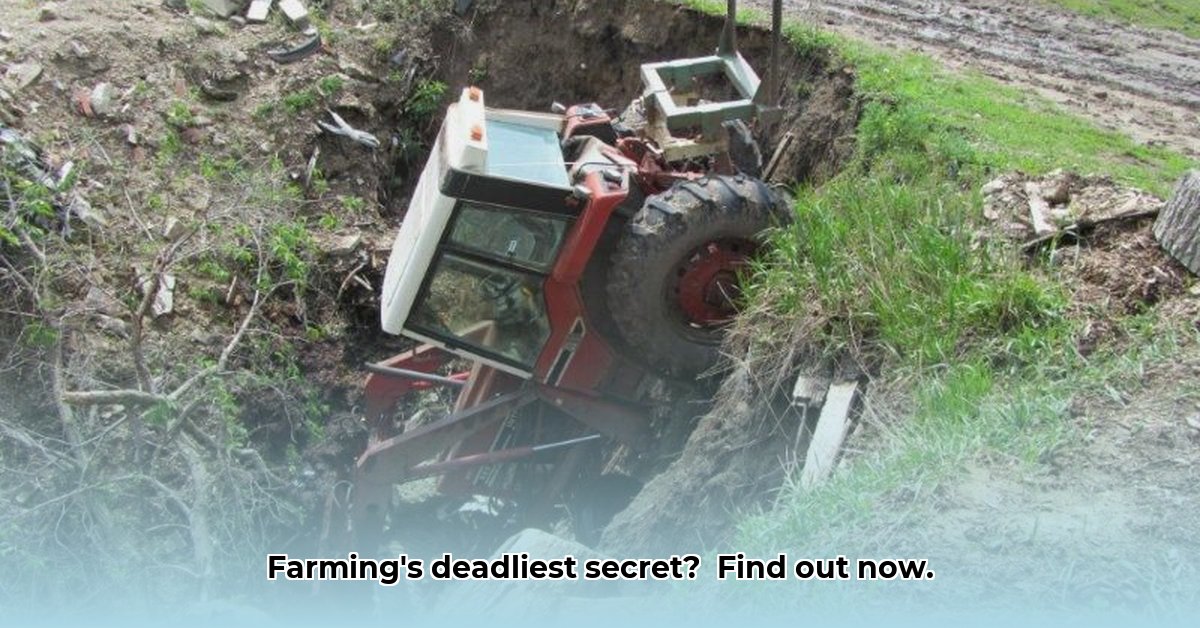
Farming is demanding, and tractor safety shouldn't be an afterthought. Tractor accidents tragically claim lives and cost farmers valuable time and resources. This guide provides practical steps to enhance safety, incorporating expert advice and proven strategies to create a safer, more sustainable farming operation. For more detailed instructions, see our tractor operation guide.
Understanding Tractor Crash Risks
Most tractor accidents stem from rollovers and collisions, often linked to human error, inadequate training, or insufficient safety measures. Did you know that a significant percentage of these accidents involve older equipment lacking modern safety features? Let's examine these risks and implement solutions.
Tractor Rollovers: A Leading Cause of Farm Fatalities
Tractor rollovers are a leading cause of death in agriculture. While Roll-Over Protective Structures (ROPS) (roll cages designed to protect the operator in a rollover) and seatbelts dramatically reduce injury risk, their effectiveness hinges on consistent use. Many accidents occur because farmers neglect to use seatbelts or their tractors lack properly installed ROPS.
Minimizing Rollovers: Practical Steps for Safer Operation
Invest in and Utilize ROPS and Seatbelts: This is paramount. Ensure your tractor has a properly installed ROPS and always wear your seatbelt. If your tractor lacks a ROPS, prioritize its installation. This single step can significantly reduce the risk of fatal injuries.
Pre-Operation Terrain Assessment: Carefully evaluate the terrain before proceeding, especially on slopes or uneven ground. Understand your tractor's limitations and your own abilities. Don't hesitate to choose an alternative route if a slope presents excessive risk.
Reduce Speed on Slopes: Significantly reduce speed when navigating inclines or declines. Slower speeds provide more reaction time in emergencies.
Maintain Proper Tractor Balance: Avoid overloading your tractor. Distribute weight evenly among the wheels to prevent instability. An unbalanced load increases rollover risk.
Tractor Collisions: Sharing the Road Safely
Collisions with other vehicles pose a significant risk, particularly on public roads. Large tractors often have poor visibility compared to cars and trucks.
Preventing Collisions: Improving Road Safety
Employ Defensive Driving Techniques: Assume other drivers might not see you. Use extra caution at intersections and in areas with limited visibility. Anticipate unexpected actions from other drivers.
Enhance Tractor Visibility: Ensure your tractor has adequate lighting and reflective markings, particularly during low-light conditions. Supplemental lights and flashing beacons significantly increase visibility.
Plan Safe Routes: Carefully plan your routes, considering traffic patterns and road conditions. Avoid routes with excessive traffic or poor visibility whenever possible.
Clear Communication: Use turn signals and hand signals to communicate your intentions. Maintain clear communication with any other workers nearby.
Beyond Rollovers and Collisions: Other Farm Hazards
Other hazards exist beyond rollovers and collisions, including:
Equipment Entanglement: Power take-off (PTO) shafts present a serious entanglement risk. Always use appropriate guarding and follow lockout/tagout procedures during maintenance or repairs. These procedures prevent accidental machinery startup.
ATV Accidents: ATVs, though often used on farms, pose a significant rollover and injury risk, especially on rugged terrain. Proper training, safety gear, and adherence to safety guidelines are essential.
Dr. Amelia Hernandez, Agricultural Safety Expert at the National Institute of Food and Agriculture, emphasizes, "Investing in safety is investing in your future. Every precaution taken reduces the likelihood of a devastating accident."
The Crucial Role of Training and Ongoing Education
Comprehensive safety training is crucial, encompassing safe operating procedures, preventative maintenance, and emergency response protocols. This training isn't limited to new farmers; regular refresher courses are crucial for experienced farmers to stay updated on best practices and evolving technologies. Many organizations offer virtual and augmented reality training methods, enhancing the learning experience.
A Collaborative Approach to Farm Safety
Reducing tractor accidents demands collaborative efforts. Farmers, educators, government agencies, and equipment manufacturers share the responsibility of creating a safer farming environment. Working together, we can foster a culture of safety on farms nationwide.
Key Takeaways:
- Tractor accidents are a major concern in agriculture, resulting in fatalities and significant economic losses.
- Implementing safety measures, including ROPS, seatbelts, and defensive driving techniques, is vital for reducing accidents.
- Comprehensive training programs and regular maintenance are essential to ensure safe operation and prevent accidents.
- Collaboration among farmers, educators, and regulatory bodies is crucial for improving safety standards in the agricultural sector.
This guide offers actionable steps to improve tractor safety. Remember, prioritizing safety is not merely about compliance; it's about protecting lives and ensuring a sustainable future for agriculture.